
Maine Career Exploration Model
The Maine Career Exploration Model is a systems approach embedded in curriculum that connects competency development, real-world learning, and stackable micro-credentials that build into portable, metadata-backed credentials. Students demonstrate their skills through Evidence of Learning, JMG’s structured process that validates mastery and ensures credentials represent demonstrated ability. These credentials are designed to be understood across education and workforce systems, helping students communicate their skills in ways that are transparent, trusted, and future-ready. Through a progression from middle school skill building to high school credential attainment, students develop the knowledge and skills needed for continued education, meaningful careers, and lifelong mobility.
Middle School Skill Builders
The Maine Career Exploration Model is designed to begin with Skill Builders for middle school students. Skill Builders are short, focused learning experiences aligned with the same skills and competencies that drive high school micro-credentials. Skill Builders help younger learners practice foundational skills such as communication, goal setting, or leadership, while building confidence and motivation.
The Evidence of Learning at this stage emphasizes reflection-based demonstration, helping students show they understand the skill and can connect it to their experiences. This prepares them for the deeper, performance-based Evidence of Learning required in high school. Students gain early recognition for growth, develop the language to talk about their skills, and step into high school ready to engage in authentic skill demonstration through micro-credentials.
-
![]()
Info Evaluation Skill Builder
Students learn how to use info evaluation, making sure the facts found are accurate and useful.
-
![]()
Media Analysis Skill Builder
Students demonstrate an understanding of how to use media analysis to see how it can influence people’s beliefs and actions.
-
![]()
Tech Professionalism Skill Builder
Students demonstrate knowledge of how to show tech professionalism by using technology responsibly and sharing information safely.
-
![]()
Adaptability Skill Builder
Students learn how to practice adaptability by adjusting behavior and communication to fit different situations and people.
-
![]()
Decision Making Skill Builder
Students demonstrate knowledge of how to think about the future and make thoughtful choices by practicing strong decision-making and considering different options and their consequences.
-
![]()
Initiative Skill Builder
Students learn how to use critical thinking and innovation to creatively solve problems and come up with new ideas.
-
![]()
Innovation Skill Builder
Students learn how to use critical thinking and innovation to creatively solve problems and come up with new ideas.
-
![]()
Financial Flexibility Skill Builder
Students demonstrate knowledge of how to show financial flexibility by adjusting spending and saving when unexpected expenses come up.
-
![]()
Money Management Skill Builder
Students demonstrate an understanding of how to practice money management by making a budget and thinking about how choices will affect the future.
-
![]()
School & Work Finances Skill Builder
Students demonstrate knowledge of how to manage school and work finances and set realistic financial goals for costs associated with different education or job training programs.
-
![]()
Communication Skill Builder
Students demonstrate an understanding of how to use communication skills to express thoughts clearly, actively listen, and be open to feedback and different perspectives.
-
![]()
Job Attainment Skill Builder
Students demonstrate an understanding of how to achieve job attainment by completing job applications, writing a resume and cover letter, and confidently presenting skills during an interview to succeed.
-
![]()
Professionalism Skill Builder
Students demonstrate knowledge of how to show professionalism by communicating clearly, dressing for the situation, and consistently following rules and expectations at work.
-
![]()
Self Management Skill Builder
Students learn how to practice self-management by staying focused, managing time well, and keeping emotions under control.
-
![]()
Work Ethic Skill Builder
Students demonstrate an understanding of a strong work ethic and understand the value of working hard, staying committed, and achieving results, even in different types of work environments.
-
![]()
Civic Engagement Skill Builder
Students learn how to get involved in civic engagement by making positive changes in the community.
-
![]()
Collaboration Skill Builder
Students demonstrate an understanding of how to practice collaboration by working well with others, respecting different ideas, and helping a team reach its goals.
-
![]()
Leadership Skill Builder
Students demonstrate knowledge of how to practice leadership by organizing tasks, motivating others, and listening to a team.
-
![]()
Global Citizenship Skill Builder
Students demonstrate knowledge of how to practice global citizenship by treating others fairly, celebrating diversity, and practicing inclusion.
-
![]()
Multicultural Awareness Skill Builder
Students demonstrate an understanding of how to practice multicultural awareness by respecting different cultures, ideas, and perspectives.
-
![]()
Relationship Building Skill Builder
Students demonstrate knowledge of the value of relationship building and how to create positive connections with different people in all kinds of settings.
-
![]()
Career Pathways Skill Builder
Students demonstrate an understanding of how to explore different career pathways, pay attention to trends, and choose learning experiences that help build the skills they need.
-
![]()
Goal Setting Skill Builder
Students demonstrate an understanding of the value of goal setting and how to set goals, make a plan, and adjust as needed.
-
![]()
Network Building Skill Builder
Students demonstrate knowledge of how to develop connections through network building to support achieving goals.
-
![]()
Resource Finding Skill Builder
Students learn how to succeed with resource finding by looking for and using the resources that can help reach goals.
-
![]()
Time Management Skill Builder
Students demonstrate an understanding of how to use time management skills to stay organized and get tasks done on time, which helps ensure success in future educational and career pathways.
-
![]()
Persistence Skill Builder
Students demonstrate an understanding of how to stay determined and show persistence, even when things get tough, and how to overcome challenges.
-
![]()
Personal Branding Skill Builder
Students demonstrate an understanding of how to build personal branding by showing others what makes someone unique and valuable.
-
![]()
Responsibility Skill Builder
Students demonstrate knowledge of how to take responsibility for choices and actions and willingness to learn from them.
-
![]()
Self Awareness Skill Builder
Students demonstrate an understanding of how self-awareness can help them recognize strengths and weaknesses, build confidence, and ask for help when needed.

High School Credentials & Micro-credentials
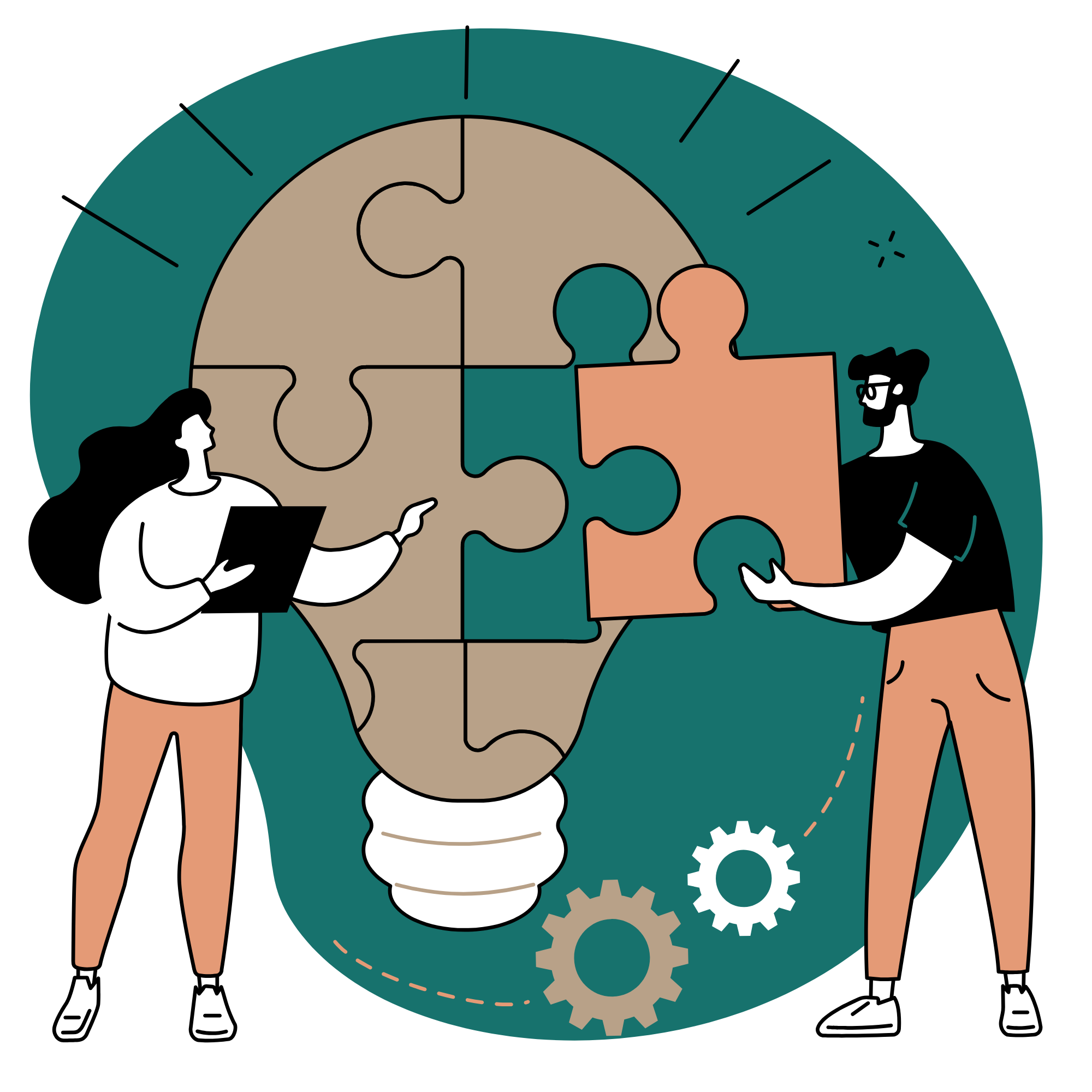
In high school, micro-credentials are verified, competency-based certifications that students earn by demonstrating mastery of specific skills. To earn a micro-credential, students must submit Evidence of Learning, which is reviewed against clear rubrics. This process not only validates the skill but also helps students build the language to articulate their learning and its application in real-world contexts.
Micro-credentials are awarded as digital badges. Multiple micro-credentials can then be stacked into a larger credential of value (also awarded as a digital badge), such as Job & Career Ready, Financial Literacy, or Leadership Development. Each badge includes embedded metadata naming the issuing organization, demonstrated competencies, skill definitions, and supporting evidence. The metadata behind digital badges make the credential verifiable, portable, and shareable with colleges, employers, and even AI-powered hiring systems. This ensures learners can confidently explain their strengths in academic, career, and community settings.
Together, Skill Builders, Micro-credentials, and Credentials form a structured continuum. This continuum ensures every student, starting in middle school and continuing through high school, has a pathway to demonstrate, articulate, and be recognized for the competencies that matter most for their future.
Evidence of Learning
A Core Component of the Maine Career Exploration Model
Evidence of Learning is JMG’s structured process for capturing, reviewing, and validating competency demonstration. It is the defined and operational system that ensures students demonstrate what they know and can do through real application, not completion alone.
Evidence of Learning is not a single assignment or artifact. It is a structured, repeatable process embedded across the Maine Career Exploration Model.
Evidence of Learning was developed and is implemented statewide by JMG as a defined component of the Maine Career Exploration Model. It provides a consistent, transparent, and scalable approach to competency-based education aligned to career readiness and workforce expectations.
This approach strengthens the credibility of stackable, portable credentials that students can carry into continued education and career pathways.
What is Evidence of Learning
Evidence of Learning is the curated body of student work that demonstrates competency in action. It includes projects, performances, reflections, and real-world applications that show how students apply skills in meaningful contexts. Each submission is aligned to clear performance criteria and reviewed through a shared rubric process.
Unlike traditional grading systems, Evidence of Learning focuses on demonstration and growth. It captures how students think, solve problems, communicate, and apply skills across academic and career-connected experiences. Evidence of Learning serves as the validation layer of the Maine Career Exploration Model, ensuring that micro-credentials and stacked credentials are grounded in authentic, observable skill demonstration and can be recognized across education and workforce systems.
Validated Skills, Meaningful Credentials
The Maine Career Exploration Model is grounded in 30 competencies that support skill development and personalized pathways. Through Evidence of Learning, students demonstrate competencies and earn Micro-credentials awarded as digital badges. As these accumulate, Micro-credentials stack to earn Credentials that validate readiness for continued education, employment, and long-term success.
Digital Literacy
Students demonstrate how to use technology safely, professionally, and responsibly to access information, create content, and understand media.
-
![]()
Digital Literacy Credential
Successful completion, demonstrated evidence of learning, and application of skills related to JMG’s Media Analysis, Tech Professionalism, and Info Evaluation Micro-credentials.
-
![]()
Info Evaluation Micro-credential
Students apply technology to effectively access and evaluate information.
-
![]()
Media Analysis Micro-credential
Students analyze media, examining how individuals can interpret messages differently and how media can influence beliefs and behaviors.
-
![]()
Tech Professionalism Micro-credential
Students demonstrate a professional use of technology to create and share information that represents themselves and others in a responsible manner, while applying an understanding of ethical and legal issues surrounding the access and use of media.
Entrepreneurial Mindset
Students develop skills to think creatively, make decisions, and take initiative to solve problems and reach their goals.
-
![]()
Entrepreneurial Mindset Credential
Successful completion, demonstrated evidence of learning, and application of skills related to JMG’s Adaptability, Decision Making, Initiative, and Innovation Micro-credentials.
-
![]()
Adaptability Micro-credential
Students appropriately adapt language and behaviors to different people and situations.
-
![]()
Decision Making Micro-credential
Students make both reactionary and long-term decisions by evaluating future consequences and analyzing alternative solutions before making a final decision.
-
![]()
Initiative Micro-credential
Students exhibit initiative & self-direction through independent commitment to specific tasks and goals.
-
![]()
Innovation Micro-credential
Students exhibit critical thinking & innovation when solving problems.
Financial Literacy
Students learn how to manage their school and work finances, budget smart, and gain skills in financial flexibility.
-
![]()
Financial Literacy Credential
Successful completion, demonstrated evidence of learning, and application of skills related to JMG’s Money Management, Financial Flexibility, and School & Work Finances Micro-credentials.
-
![]()
Financial Flexibility Micro-credential
Students display financial adaptability and problem solve through complex decisions that have financial impacts.
-
![]()
Money Management Micro-credential
Students demonstrate the ability to manage money through budgeting strategies while understanding economic foundational concepts that can impact the pursuit of both short-term and long-term financial stability.
-
![]()
School & Work Finances Micro-credential
Students gain knowledge of various certification or degree program financial requirements and are able to create reasonable goals based on that knowledge.
Job & Career Ready
Students develop the skills they need to succeed in the workplace, including resume writing, job interviews, effective communication, and professional conduct.
-
![]()
Job & Career Ready Credential
Successful completion, demonstrated evidence of learning, and application of skills related to JMG’s Professionalism, Job Attainment, Self Management, Communication, and Work Ethic Micro-credentials.
-
![]()
Communication Micro-credential
Students demonstrate clear communication; display the ability to listen effectively, decipher meaning, accept and implement feedback, and be open to new and diverse perspectives.
-
![]()
Job Attainment Micro-credential
Students complete requirements necessary for job attainment in a competitive job market; completion of job application, resume, cover letter; students understand conditions and requirements of the position and verbally articulate aligned skills during a job interview.
-
![]()
Professionalism Micro-credential
Students demonstrate professionalism through written & verbal communication, exhibit professional attire appropriate for various work settings, and execute employer expectations, policies, and procedures on a consistent basis.
-
![]()
Self Management Micro-credential
Students are able to self-manage behaviors and well-being at the workplace, including regulating one’s emotions and thoughts in order to effectively manage time and undertake assigned tasks.
-
![]()
Work Ethic Micro-credential
Students demonstrate and value a strong work ethic in the workplace, understanding how to produce results within different styles of work.
Leadership Development
Students grow as leaders by learning to collaborate, listen, motivate others, and take action in their school or community.
-
![]()
Leadership Development Credential
Successful completion, demonstrated evidence of learning, and application of skills related to JMG’s Leadership, Collaboration, and Civic Engagement Micro-credentials.
-
![]()
Civic Engagement Micro-credential
Students understand their civic responsibilities while proactively and positively responding to the needs of their community.
-
![]()
Collaboration Micro-credential
Students work effectively and respectfully within diverse teams, encouraging and executing collaboration with team members when pursuing a group goal.
-
![]()
Leadership Micro-credential
Students understand and display positive and empathetic leadership by organizing, motivating, and listening to team members.
Multicultural Foundations
Students demonstrate an understanding of diverse perspectives, build inclusive relationships, and show respect for others in every environment
-
![]()
Multicultural Foundations Credential
Successful completion, demonstrated evidence of learning, and application of skills related to JMG’s Multicultural Awareness, Global Citizenship, and Relationship Building Micro-credentials.
-
![]()
Global Citizenship Micro-credential
Students demonstrate a sense of global citizenship through the lens of equity, demonstrating fair treatment of others, celebrating diversity, and practicing inclusivity.
-
![]()
Multicultural Awareness Micro-credential
Students display multicultural awareness by understanding and empathizing with differing perspectives, social and ethical norms, and world views.
-
![]()
Relationship Building Micro-credential
Students foster healthy & appropriate relationships with various people and in different environments.
-
![]()
Pathway Navigation Credential
Successful completion, demonstrated evidence of learning, and application of skills related to JMG’s Career Pathways, Finding Resources, Goal Setting, Time Management, and Finding Resources Micro-credentials.
-
![]()
Career Pathways Micro-credential
Students navigate career pathways with an awareness of changing career and economic trends and choose learning experiences that strengthen knowledge and skills for desired path.
-
![]()
Goal Setting Micro-credential
Students set and manage goals, plan and take action steps towards goals, and analyze/adjust approaches when necessary.
-
![]()
Network Building Micro-credential
Students establish a network of relationships and resources to support and navigate ongoing professional pursuits.
-
![]()
Resource Finding Micro-credential
Students seek, advocate for, and utilize resources to support the pursuit of the desired pathways, understanding the systems and rigor that accompany that pathway while analyzing and applying their own academic/experience-based achievements.
-
![]()
Time Management Micro-credential
Students demonstrate time management & organization levels necessary to be successful in future educational and career pathways.
Personal Growth
Students build confidence, take responsibility, stay motivated, and understand their strengths as they grow and reach their potential.
-
![]()
Personal Growth Credential
Successful completion, demonstrated evidence of learning, and application of skills related to JMG’s Self Awareness, Personal Branding, Responsibility, and Persistence Micro-credentials.
-
![]()
Persistence Micro-credential
Students show persistence & resilience when in pursuit of a goal; showing an ability to both anticipate and overcome obstacles when presented.
-
![]()
Personal Branding Micro-credential
Students develop a sense of identity and market their personal brand.
-
![]()
Responsibility Micro-credential
Students demonstrate responsibility for behavior, actions, and decisions.
-
![]()
Self Awareness Micro-credential
Students use self-awareness to accurately assess one’s values, strengths, and limitations; building self-confidence and optimism as well as advocating for needed support.
The Maine Career Exploration Model is the proprietary property of JMG.
JMG retains exclusive rights to its content, structure, and implementation. Use of this model and its materials is strictly limited to entities with a specific, written agreement authorizing such use. Any reproduction, distribution, or adaptation outside of an expressly authorized contract is strictly prohibited.